Honest buyer note: Our furniture is made from solid Indonesian teak in vetted workshops in Jepara and Bali, so expect natural grain, colour variation and a small dimensional tolerance between pieces. Grade A kiln-dried teak runs about 8–12% moisture content for export markets; teak grades (A, B, reclaimed) are banded descriptions, not guarantees of identical appearance. All prices, MOQs, lead times, CBM and container counts are indicative ranges (FOB Indonesia) and final pricing is by quote. We work only with legal, documented timber — Indonesia’s SVLK system, with V-Legal / FLEGT documents; FSC-certified teak is available on request at a premium. We do not claim certifications we do not hold. We act as an independent sourcing desk and handle export packing and documentation.
Outdoor teak furniture wholesale from Indonesia covers garden dining sets, loungers and sunbeds, deep-seating, benches, deck chairs, and patio collections built from Grade A teak heartwood for weather exposure in the USA, Europe, and Australia. Bali Teak Furniture is an independent export sourcing desk: we match outdoor programs to vetted workshops in Jepara and Bali, insist on the right grade and joinery for the elements, and ship FCL-direct under HS code 9403 with full export paperwork. This page covers why teak leads outdoor furniture and how to buy it by the container.
Why teak is the benchmark outdoor hardwood
Teak earned its outdoor reputation from chemistry, not marketing. The heartwood is dense and rich in natural oils and silica, which resist water, fungal decay, and insect attack without a protective coating. Marine and garden use have relied on it for over a century. Left untreated outdoors, teak does not rot — it weathers from honey-brown to a silver-grey patina as the surface lignin breaks down, while the structure underneath stays sound. That is a cosmetic change, not damage, and it is reversible with cleaning and oil if a buyer wants the original tone back.
Grade matters most outdoors
Outdoor performance depends on using mature heartwood. Grade A is dense, close-grained heartwood with high oil content — the correct choice for furniture that lives in rain and sun. Sapwood, which appears as paler bands, is not weather-durable: it lacks the oils and will grey unevenly, spot, and decay faster. Cheap “teak” outdoor furniture often hides sapwood or uses young plantation offcuts to hit a price. We specify Grade A heartwood for true outdoor lines and tell you plainly when a quote drops to Grade B for a covered-patio or budget range.
Construction for the elements
Outdoor joinery must tolerate swelling and shrinking through wet and dry cycles. We look for through mortise-and-tenon joints, stainless-steel or solid-brass fixings (never plated mild steel, which bleeds rust streaks), and slatted tops and seats that drain and dry rather than holding water. Folding and stacking mechanisms should use marine-grade hardware. Glue alone does not belong in a structural outdoor joint; mechanical joinery does the load-bearing while weather-resistant adhesive only supplements it. These details decide whether a set lasts a decade or loosens in two seasons.
Outdoor categories we source
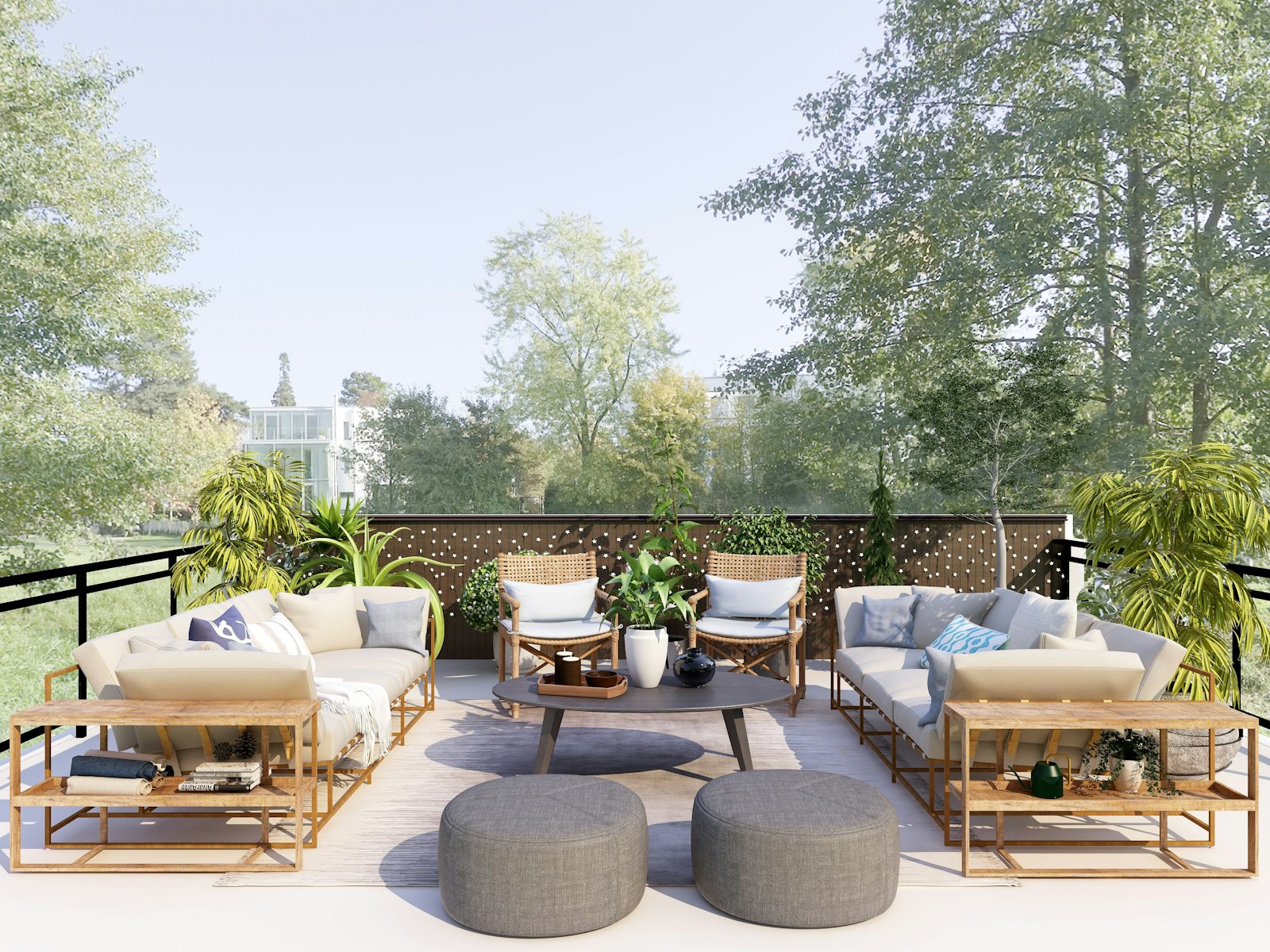
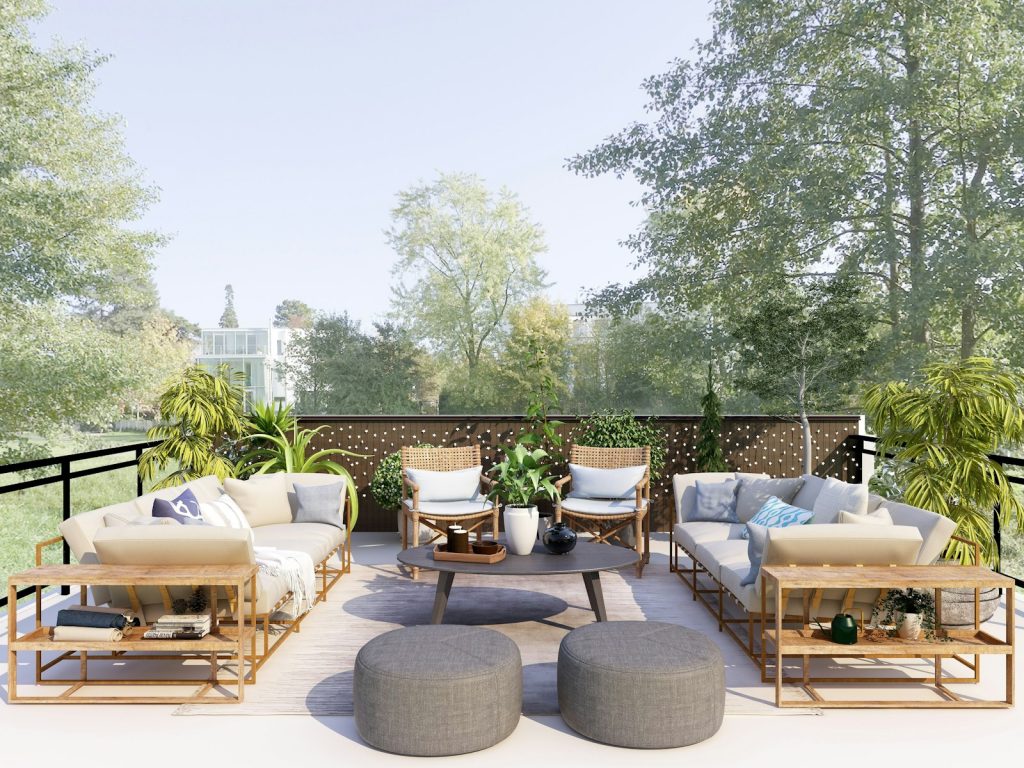
Typical outdoor programs include rectangular and extension garden dining tables, stacking and folding dining chairs, steamer loungers and flat sunbeds, deep-seating sofas and modular sets, benches and gliders, bar sets, and planters. We also source teak-and-rope or teak-and-textilene combinations and teak frames paired with all-weather cushions. Items can be supplied oiled, sanded raw to weather naturally, or lightly sealed depending on the retail position you want.
Finish and weathering options
You have three honest choices for outdoor teak, and we set the expectation up front. Supplied raw, the furniture silvers to grey within roughly 6–12 months of exposure — the look many European and coastal-US buyers prefer. Supplied oiled, it holds the golden tone longer but needs periodic re-oiling. Either way teak stays structurally durable. We do not claim a coating makes teak “maintenance-free forever,” because the grey patina is natural and the choice is aesthetic, not structural.
Caring for outdoor teak in service
We give buyers honest after-sale guidance because it reduces returns. Outdoor teak needs no sealing to survive, but light maintenance keeps it looking its best: an occasional wash with mild soapy water and a soft brush removes surface dirt and the mildew bloom that can appear in damp climates. Buyers who want to hold the golden tone re-apply teak oil once or twice a year; buyers who want the grey patina simply let it weather. Pressure-washing should be gentle and angled to avoid raising the grain. Cushions should be stored dry. Setting these expectations at point of sale prevents the common false complaint that natural greying is a “defect.”
Plantation teak and legal sourcing for outdoor lines
Outdoor durability depends on mature heartwood, and that raises a sourcing point worth stating plainly. Most Indonesian furniture teak is plantation-grown Tectona grandis, much of it from state-managed Perhutani forests on Java, sold through log auctions. Older, slower-grown logs give the dense, oil-rich heartwood outdoor furniture needs; young fast-grown offcuts do not, which is why bargain “teak” outdoor sets often disappoint. All stock we handle is verified legal under Indonesia’s SVLK timber-legality system, the basis for FLEGT-licensed entry into the EU and for the legality evidence US and Australian importers must keep. We do not trade undocumented wood.
Buying outdoor teak by the container
Outdoor sets are bulky, so orders are FCL. A 20ft holds about 25–28 CBM and a 40ft high-cube about 58–68 CBM; knock-down packing of tables and loungers raises container fill significantly. We can consolidate a mixed container of dining, seating, and loungers across workshops under one set of documents. Indicative FOB Semarang ranges are quoted per item or per CBM, with a firm figure once grade, finish, hardware spec, and quantity are confirmed. Lead time from confirmed order to a loaded container typically runs 45–90 days depending on volume and finish.
Teak versus other outdoor woods
Buyers often compare teak with cheaper outdoor hardwoods, and an honest comparison helps set the price expectation. Acacia and eucalyptus are widely sold as budget outdoor furniture; they are real hardwoods but carry far less natural oil than teak heartwood, so they need regular sealing and have a shorter outdoor life, particularly in wet or freeze-thaw climates. Plantation eucalyptus can warp if poorly dried. Teak’s advantage is that its own oils do the protecting, so it survives untreated for many years and only changes colour, not structure. That durability is why teak commands a premium and why it remains the benchmark for marine and high-end garden furniture — the higher FOB buys a materially longer service life, which is the argument a retailer can make at the point of sale.
Frequently asked questions
Will outdoor teak rot if left uncoated? No. Teak heartwood resists rot and insects without coating; it weathers to a grey patina, which is cosmetic and reversible with cleaning and oil.
Why do you insist on Grade A for outdoor lines? Sapwood and young offcuts are not weather-durable; Grade A mature heartwood carries the oils that make teak last outdoors.
What hardware do you use? Stainless steel or solid brass, never plated mild steel, to avoid rust streaks on the wood.
Can sets ship flat-pack? Yes — knock-down packing improves container fill and lowers transit breakage; assembly hardware is included.
Request an outdoor teak quote: send your range or target list to [email protected] or WhatsApp +62 811-3941-4563 for an indicative FOB Semarang range and a vetted-workshop shortlist.