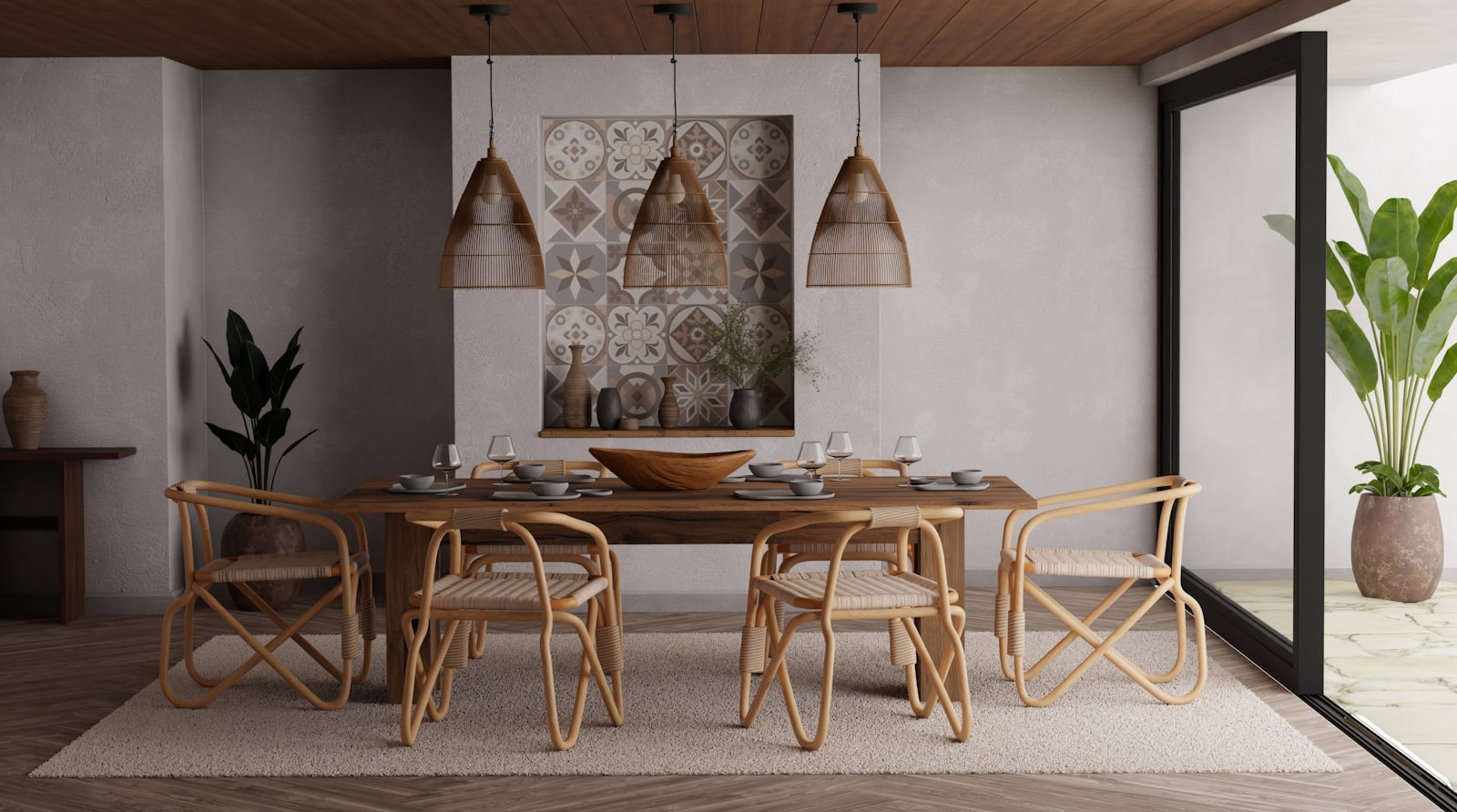
Honest buyer note: Our furniture is made from solid Indonesian teak in vetted workshops in Jepara and Bali, so expect natural grain, colour variation and a small dimensional tolerance between pieces. Grade A kiln-dried teak runs about 8–12% moisture content for export markets; teak grades (A, B, reclaimed) are banded descriptions, not guarantees of identical appearance. All prices, MOQs, lead times, CBM and container counts are indicative ranges (FOB Indonesia) and final pricing is by quote. We work only with legal, documented timber — Indonesia’s SVLK system, with V-Legal / FLEGT documents; FSC-certified teak is available on request at a premium. We do not claim certifications we do not hold. We act as an independent sourcing desk and handle export packing and documentation.
Indonesian Teak Furniture Wholesale Prices — How Pricing Works
Understanding Indonesian teak furniture wholesale prices means understanding that no honest supplier can give one fixed number for “a teak dining table.” Bali Teak Furniture is an independent sourcing desk, and we quote prices as indicative FOB ranges by quote, firmed only against confirmed specifications. This page explains what drives teak furniture pricing, why FOB ranges move, how to compare quotes fairly, and what a realistic landed cost includes — so you can budget a container without being misled by a too-good-to-be-true headline price.
Why we quote ranges, not fixed prices
A single fixed price for teak furniture is almost always a warning sign. Real cost depends on grade, dimensions, finish, joinery, hardware, quantity, and the live cost of teak logs — all of which vary per order. We give an indicative FOB Semarang range immediately so you can budget, then lock a firm figure once specs and quantity are confirmed and a sample is signed. A supplier who quotes one low fixed number before seeing your spec is usually planning to drop grade, thin the timber, or under-dry the wood to hit it.
What FOB means and why it is the right basis
We quote FOB (Free On Board) at the loading port, typically Semarang (Tanjung Emas) or Surabaya (Tanjung Perak). FOB means the price covers the furniture, packing, inland transport, export clearance, and loading onto your vessel; ocean freight, insurance, destination charges, and duty are yours to arrange or add. FOB is the clean basis for comparing suppliers because it strips out freight, which varies by your destination and shipping line. Beware quotes that blur FOB, CIF, and “ex-works” — they are not comparable.
What drives the price of a teak piece
Several factors set where in the range a quote lands. Teak grade is the biggest lever — Grade A heartwood costs materially more than Grade B or C. Timber volume: thicker sections and solid tops use more wood than thin or veneered parts. Log cost: Indonesian teak log prices are set largely through Perhutani auctions and move with supply. Labour and joinery: hand-cut mortise-and-tenon and carving cost more than dowel-and-screw. Finish and hardware: multi-step lacquer and stainless fittings add cost. Quantity: per-unit price falls as you fill and repeat containers.
How to compare quotes fairly
Compare like for like or the cheapest quote always “wins” dishonestly. Ask every supplier to state grade (A/B/C and heartwood content), moisture content target, exact dimensions and board thickness, joinery method, finish steps, hardware spec, packing (assembled vs knock-down), and the price basis (FOB which port). A quote missing these is not cheaper — it is incomplete. We provide a specification sheet with quotes precisely so a buyer can hold the same line against multiple sources.
From FOB to landed cost
Your shelf cost is more than FOB. Budget for ocean freight (which swings with container-rate cycles), marine insurance, destination port and handling charges, customs duty for your country and HS code 9403, and inland delivery. Spreading these fixed shipping costs across a full container is why FCL economics beat small orders — a half-empty container carries nearly the same freight as a full one. We help you estimate landed cost so the FOB range is read in context, not in isolation.
What moves the teak market
FOB ranges are not arbitrary; they track real inputs that a buyer can reason about. The dominant one is the cost of teak logs, set largely through Perhutani auctions on Java and influenced by harvest volumes and demand — when log prices rise, furniture FOB follows. Ocean freight runs in cycles and can swing landed cost sharply even when FOB is stable. The rupiah–dollar exchange rate matters because you usually pay in USD while costs are partly in rupiah. Labour rates, fuel, and finishing-material prices add smaller movements. Because these inputs shift, an honest supplier refreshes ranges rather than holding a stale “fixed” price that quietly hides a grade or thickness cut.
Why the cheapest quote is rarely the cheapest furniture
A headline price below the realistic range almost always has a hidden cost. The usual ways a quote is made artificially low are: dropping from Grade A to a sapwood-heavy mix, thinning solid sections or substituting veneer for solid tops, shipping under-dried wood that checks and splits after delivery, replacing real mortise-and-tenon joinery with glue and staples, and using plated hardware that corrodes. None of these show on an invoice line, but all of them surface as returns, markdowns, and lost repeat customers at the destination. Read against full specification, the suspiciously cheap quote is usually the most expensive furniture once breakage and complaints are counted.
Deposit, balance, and payment terms
Standard terms in the Indonesian furniture trade are a deposit to start production (commonly around 30–50%) with the balance against documents or before loading, by T/T bank transfer; letters of credit are used on larger orders. We set terms in writing per order and tie payment milestones to QC gates — for instance, balance only after a passed pre-shipment inspection — so your money is aligned with verified quality rather than promises.
Volume, repeat orders, and price improvement
Price improves with scale in ways worth planning around. Filling a container fully spreads fixed export and freight costs across more units, so a full 40ft high-cube almost always beats a half-empty 20ft on per-unit landed cost. Repeat orders of the same model let a workshop amortise its setup, jigs, and the first sample across a longer run, which we can reflect in firmed pricing. Standardising on a core range rather than constantly changing specs also reduces sampling cost and waste. We are honest that there is a floor: teak is a real material with a real log cost, and genuine Grade A heartwood, correct kiln-drying, and proper joinery cannot be conjured below that floor — volume sharpens the price, it does not suspend the economics of the wood.
Frequently asked questions
Can you give me a price per table now? We give an indicative FOB Semarang range immediately and a firm figure once grade, finish, dimensions, and quantity are confirmed.
Why is one supplier so much cheaper? Usually a lower grade, more sapwood, thinner timber, or under-drying — compare full specs, not headline numbers.
What does FOB include? Furniture, packing, inland transport, export clearance, and loading at the port; freight, insurance, and duty are separate.
What are typical payment terms? A production deposit with the balance against documents or before loading by T/T, or L/C on larger orders, tied to QC gates.
Get an indicative quote: send your spec or target list to [email protected] or WhatsApp +62 811-3941-4563 for an FOB Semarang range and a fair, like-for-like comparison sheet.