Honest buyer note: Our furniture is made from solid Indonesian teak in vetted workshops in Jepara and Bali, so expect natural grain, colour variation and a small dimensional tolerance between pieces. Grade A kiln-dried teak runs about 8–12% moisture content for export markets; teak grades (A, B, reclaimed) are banded descriptions, not guarantees of identical appearance. All prices, MOQs, lead times, CBM and container counts are indicative ranges (FOB Indonesia) and final pricing is by quote. We work only with legal, documented timber — Indonesia’s SVLK system, with V-Legal / FLEGT documents; FSC-certified teak is available on request at a premium. We do not claim certifications we do not hold. We act as an independent sourcing desk and handle export packing and documentation.
Grade A Teak Furniture from Indonesia — Teak Wood Grades and Quality
Sourcing Grade A teak furniture from Indonesia starts with understanding that teak grades are banded, not absolute, and that “Grade A” gets used loosely across the trade. Bali Teak Furniture is an independent sourcing desk that grades honestly: we tell you which band a quote is built on rather than calling everything top grade. This page explains the A, B, and C teak grading system, heartwood versus sapwood, moisture content, and the quality signals that separate export-ready teak from souvenir-grade work — so you can buy on real specification.
Heartwood versus sapwood: the core distinction
All teak quality begins with one fact: only the heartwood — the mature, darker core of the tree — carries the natural oils and silica that make teak durable, water-resistant, and insect-resistant. The sapwood, the paler outer band, is younger, softer, low in oils, and not weather-durable. It greys unevenly, spots, and decays faster. Furniture sold as “teak” that contains significant sapwood is using the name without the performance. Grading is, at root, a measure of how much true heartwood a piece contains and how clean that heartwood is.
The A, B, and C grading bands
Grade A is dense, mature heartwood with tight, even grain, uniform golden-brown colour, high natural oil (you can often feel it), and minimal to no knots or sapwood. It is the standard for outdoor furniture and premium indoor pieces. Grade B is heartwood with some colour variation, small knots, and limited sapwood — sound and serviceable for mid-tier and many indoor lines. Grade C contains more sapwood, visible knots, and colour variation, suited to budget, rustic, or painted ranges. These bands are industry conventions, not a single legal standard, which is exactly why a written spec and a signed sample matter more than the label.
Why “Grade A” claims need checking
Because grading is conventional rather than certified, “Grade A” is the most over-used phrase in the teak trade. A workshop may call mixed-grade stock “Grade A” to win an order, then load sapwood-heavy boards. We inspect rather than accept the label: we examine cut surfaces for sapwood bands, check grain tightness, and confirm colour uniformity on the actual production, not just on the showroom sample. When a quote is genuinely Grade B for budget reasons, we say so — an honest Grade B at a fair price beats a mislabelled “Grade A” that disappoints at the destination.
Moisture content and kiln-drying
Grade describes the wood; moisture content describes its readiness. Export furniture should be kiln-dried to 8–12% moisture content, toward the lower end for dry heated markets. Even perfect Grade A heartwood will check, cup, and split if loaded wet. We pin-meter random components during inspection because under-drying causes most post-shipment quality complaints regardless of grade. A complete spec therefore states both grade and target moisture content.
Plantation versus old-growth teak
Most Indonesian furniture teak is plantation-grown Tectona grandis, much of it managed by the state forestry body Perhutani on Java. Plantation teak is legal, traceable, and the backbone of the export trade; older or slower-grown logs yield denser, tighter-grained boards, while young fast-grown stock is lighter and more sapwood-prone. Reclaimed old-growth teak, recovered from former structures, is typically the densest of all. Grade interacts with origin: a mature plantation log can deliver excellent Grade A, while young offcuts rarely do.
How grade maps to use and price
Grade should follow function, and that keeps cost honest. For outdoor furniture there is really only one correct answer: Grade A heartwood, because sapwood will not survive the elements. For prominent indoor surfaces — dining tabletops, sideboard faces, headboards — Grade A or a clean Grade B gives the look buyers expect. For painted ranges, rustic lines, internal frames, and hidden components, Grade B or C is sensible and avoids paying premium-grade prices for wood nobody sees. Matching grade to where it shows lets a retailer hold a target shelf price without either over-spending on hidden parts or under-specifying a visible, weather-exposed surface. We build quotes around that logic and state the grade for each component group.
Why a written spec and signed sample protect you
Because A/B/C grading is a trade convention rather than a certified standard, the contract that actually protects a buyer is the written specification plus a physical signed sample. The spec should state grade and heartwood content, target moisture content (8–12% kiln-dried), board thickness, joinery method, finish steps, and hardware. The signed sample becomes the physical reference the production run is inspected against, so “Grade A” means the same thing to the workshop, to our QC team, and to you. Disputes over grade almost always trace back to a verbal agreement with no sample — which is exactly the gap a sourcing desk is meant to close.
Visual and structural quality signals
Beyond grade, we check the markers that predict real-world performance: tight, straight grain; uniform colour within a piece; sound, filled or absent knots; flat, stable panels; clean machining without tear-out; and joinery (mortise-and-tenon, dowel) that matches the spec. Surface finish should be even, and on outdoor work the hardware must be stainless or brass. These signals, taken together, tell you more than any single grade word on an invoice.
Grain, colour, and the look of quality
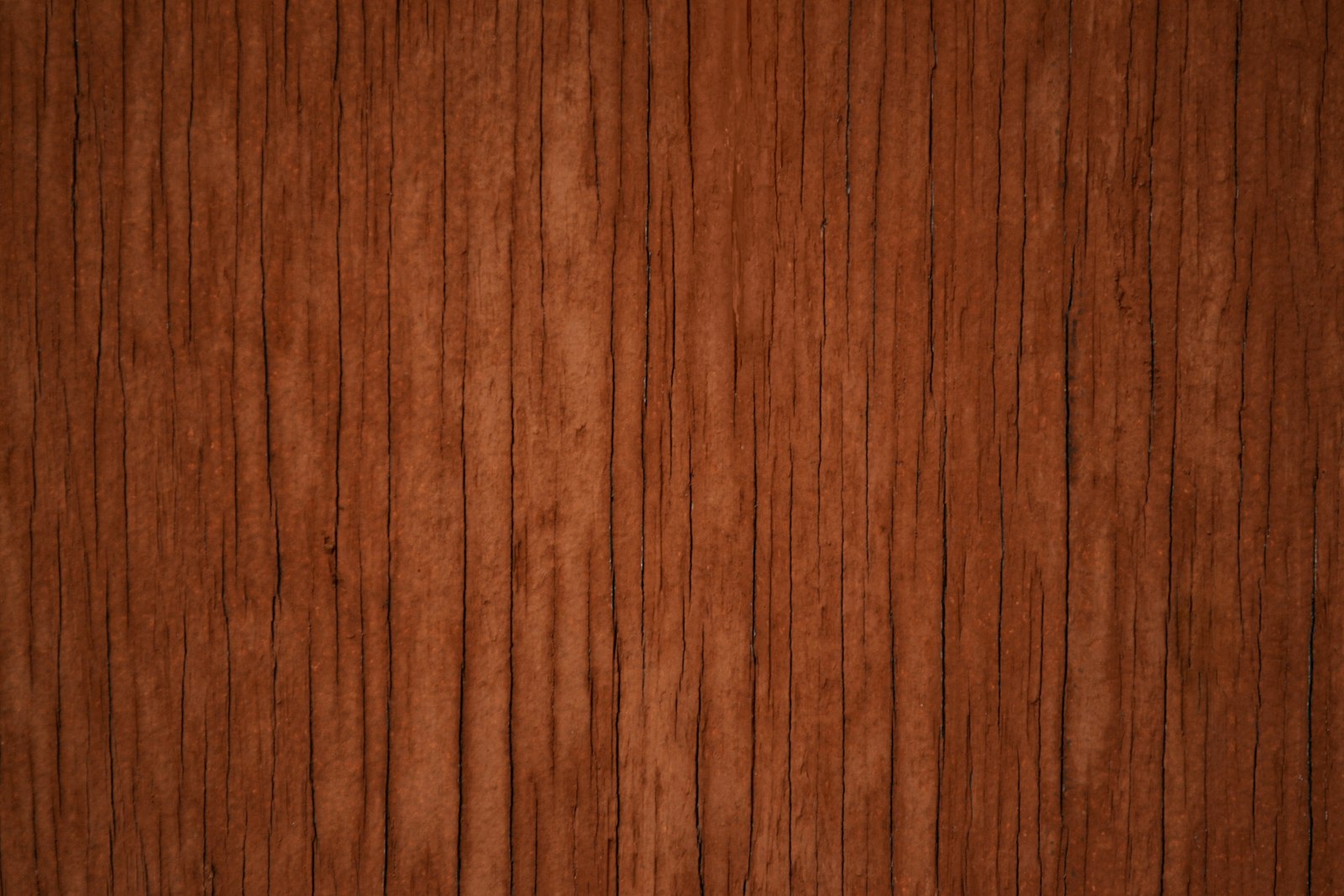
Buyers also grade with their eyes, so it helps to know what good teak should look like. Quality heartwood shows a straight, tight, fairly even grain and a warm golden-brown to honey colour that is reasonably consistent within a single piece. Some natural variation between boards is normal and not a fault — teak is a natural material, not a printed laminate. Watch for paler, greyish streaks, which indicate sapwood, and for wild, loose grain or large loose knots, which can signal lower-grade or immature stock. Over time, all teak darkens slightly and develops character; indoors it deepens, outdoors it silvers. Understanding that the colour will move means a retailer can describe the product accurately and avoid complaints when the furniture ages exactly as teak is supposed to.
Frequently asked questions
Is teak grading an official certification? No — A/B/C are trade conventions, not a legal standard, so a written spec and signed sample protect you more than the label.
What makes Grade A teak Grade A? Dense mature heartwood, tight even grain, uniform colour, high oil content, and minimal knots or sapwood.
Why does sapwood matter? Sapwood lacks teak’s protective oils, so it is not weather-durable and greys and decays unevenly — it weakens any outdoor claim.
What moisture content is correct? 8–12% kiln-dried, regardless of grade, to prevent checking and movement after shipping.
Want a grade-specific quote? tell us your grade and finish target at [email protected] or WhatsApp +62 811-3941-4563 for an indicative FOB Semarang range and a vetted-workshop shortlist.