Honest buyer note: Our furniture is made from solid Indonesian teak in vetted workshops in Jepara and Bali, so expect natural grain, colour variation and a small dimensional tolerance between pieces. Grade A kiln-dried teak runs about 8–12% moisture content for export markets; teak grades (A, B, reclaimed) are banded descriptions, not guarantees of identical appearance. All prices, MOQs, lead times, CBM and container counts are indicative ranges (FOB Indonesia) and final pricing is by quote. We work only with legal, documented timber — Indonesia’s SVLK system, with V-Legal / FLEGT documents; FSC-certified teak is available on request at a premium. We do not claim certifications we do not hold. We act as an independent sourcing desk and handle export packing and documentation.
Learning how to vet a teak furniture supplier in Indonesia is the most valuable skill a wholesale importer can build, because the wrong supplier costs you a lost deposit, a cracked container or a missed season. Vetting means systematically confirming that a supplier is a real, legal, capable manufacturer — not a broker or a fraud — before you commit money. The essentials are: verify the business and export licence, confirm SVLK legal-wood documentation, check real manufacturing capability, validate quality through samples and inspection, and structure payment to protect your deposit. None of these is exotic; together they filter out the suppliers who cause the disputes our desk most often gets called to mediate. This guide is the checklist we use ourselves.
We are an export desk that vets workshops for a living, so here is the due-diligence process distilled.
Confirm the business is real and legal
Start with existence and legality. Ask for the company registration, the export licence, and confirmation that the business actually owns or operates a workshop rather than reselling other factories’ goods. A genuine exporter provides these without fuss. Cross-check the company name against the bank account you will pay — they must match, and a request to pay a personal account or a different company is a major red flag. Be wary of suppliers who only ever send polished marketing images and resist any request to verify who they really are. The legality baseline ties directly to SVLK, below.
Verify SVLK and legal-wood documentation
For teak, legal-wood documentation is non-negotiable. SVLK (Sistem Verifikasi Legalitas Kayu) is Indonesia’s mandatory timber legality system, and a legitimate teak exporter can show their SVLK status and provide the legality documents your importer needs at destination. Ask early: a supplier who cannot speak clearly about SVLK or produce documentation either is not set up for proper export or is hoping you will not ask. This protects you from goods being held at your port and from the legal exposure of importing undocumented wood. The framework is explained in sustainable teak and SVLK legal logging.
Check real manufacturing capability
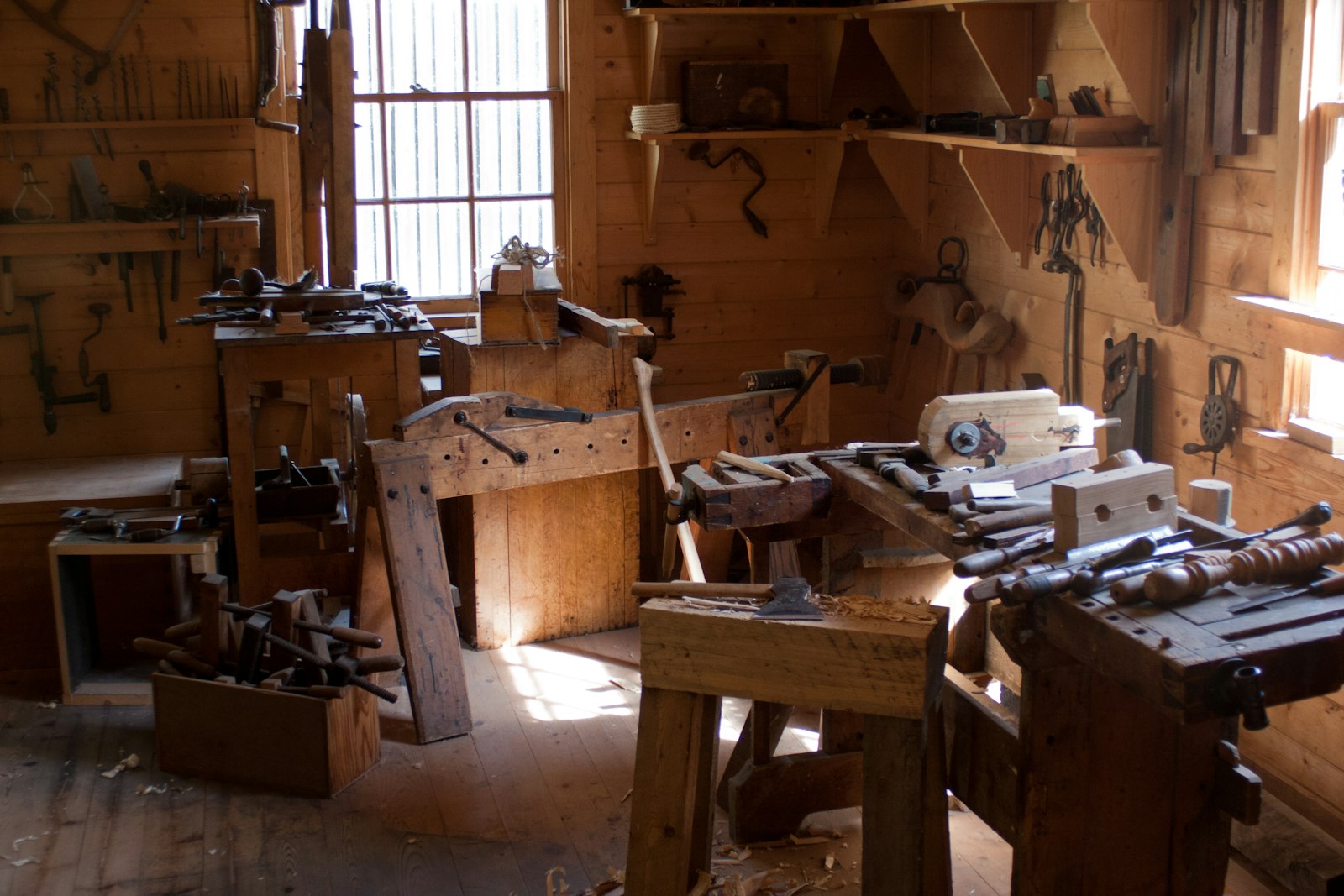
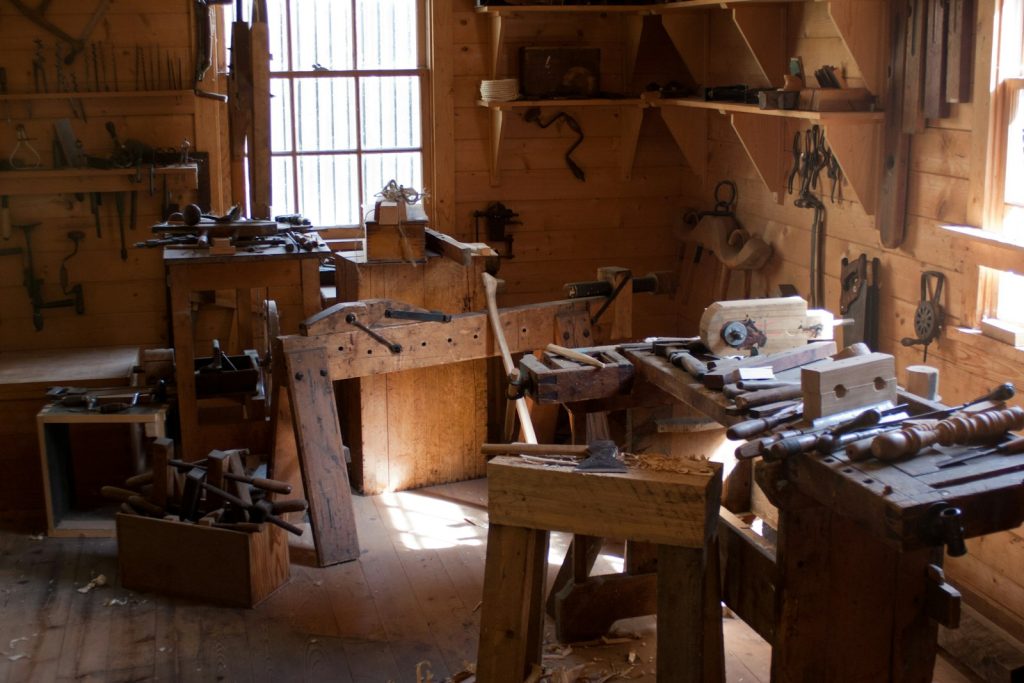
Confirm they can actually make what you need at your volume. Ask for workshop photos and video, ideally a live video walk-through of the facility, the kilns, and work in progress. Confirm they run their own kiln drying — central to quality, as covered in kiln-dried teak moisture content — and ask about monthly capacity and how many containers they ship. Request references or evidence of past export orders to your region. A broker posing as a manufacturer will struggle with these specifics; a real workshop answers them comfortably.
Validate quality with samples and inspection
Never order a container off photos alone. Buy a sample or prototype first and inspect grade, moisture content (ask for meter readings), joinery and finish against your spec — the construction checks are in teak furniture joinery and construction quality. For the production order, commission a third-party pre-shipment inspection that physically grades and tests a percentage of the lot before you release the balance. The cost of inspection is small against the cost of a bad container, and a confident supplier welcomes it. Resistance to inspection is itself a finding.
Structure payment to protect yourself
Even a vetted supplier should be paid in a way that limits risk. Use a signed proforma invoice stating specifications, grade, MC, quantity, price, lead time and Incoterm; keep a meaningful balance payable only after a passed inspection; and pay to the verified company account. For larger or first-time orders consider a letter of credit. The full payment picture is on our teak furniture payment terms page. Good vetting and good payment structure work together — neither alone is enough.
Red flags to walk away from
Some signals should end the conversation: refusal to verify business identity or show the workshop; inability to discuss SVLK or produce legality documents; pressure to pay a personal account or a last-minute change of bank details; prices far below every other quote (too good to be true usually is); and evasiveness about grade, moisture content or inspection. One red flag warrants caution; several together mean walk away. The teak trade has many excellent workshops — you do not need to gamble on a doubtful one.
Communication quality is a signal
How a supplier communicates during vetting predicts how the order will go. Watch for clear, specific answers to technical questions about grade, moisture content, joinery and finish; reasonable English (or your trade language) for export work; responsiveness within a normal business window; and a willingness to put commitments in writing. Vague, evasive or constantly shifting answers — especially on price, lead time or specifications — are a warning that problems will multiply once money is committed. You are not just buying furniture; you are entering a months-long working relationship across a distance, and the quality of that communication is part of what you are evaluating. A workshop that answers precisely and documents its commitments is far easier to hold accountable than one that stays deliberately fuzzy.
Start small and scale the relationship
The lowest-risk way to qualify a new supplier is to start with a small order or a sample run before committing to a full container, then scale as trust is proven. A trial order tests everything the photos cannot: real grade, real moisture content, real joinery, real finish, real packing, real lead time and real communication under pressure. If the trial arrives correct and on schedule, you have evidence to grow the relationship; if it does not, you have learned cheaply. Over time, a proven supplier earns more favourable payment terms and larger orders, while a doubtful one is filtered out before it can cost you a container. This staged approach — vet, trial, scale — is how experienced importers build reliable supply without betting everything on an unverified first impression.
Frequently asked questions
How do I know if a supplier is a factory or a broker? Ask for a live video walk-through of the workshop and kilns, monthly capacity and export references. Brokers struggle with specifics; real manufacturers answer comfortably.
Is SVLK really necessary? Yes. SVLK is Indonesia’s mandatory timber legality system. A supplier who cannot show SVLK status is a serious risk for both legality and port clearance.
Should I always use a pre-shipment inspection? For any meaningful order, yes. It physically verifies grade, moisture content, joinery and finish before you pay the balance, for a small fraction of the order cost.
What is the biggest red flag? A request to pay a personal account, or a sudden change of bank details. Always pay the verified company account named on the proforma invoice.
Vetting is not complicated — verify legality, confirm capability, inspect quality and protect your money — and it is the cheapest insurance you can buy on a container order. To work with a vetted Jepara and Bali workshop network, contact our sourcing desk on WhatsApp at +6281139414563 or email [email protected], and start with grade standards on our teak wood grades and quality page.