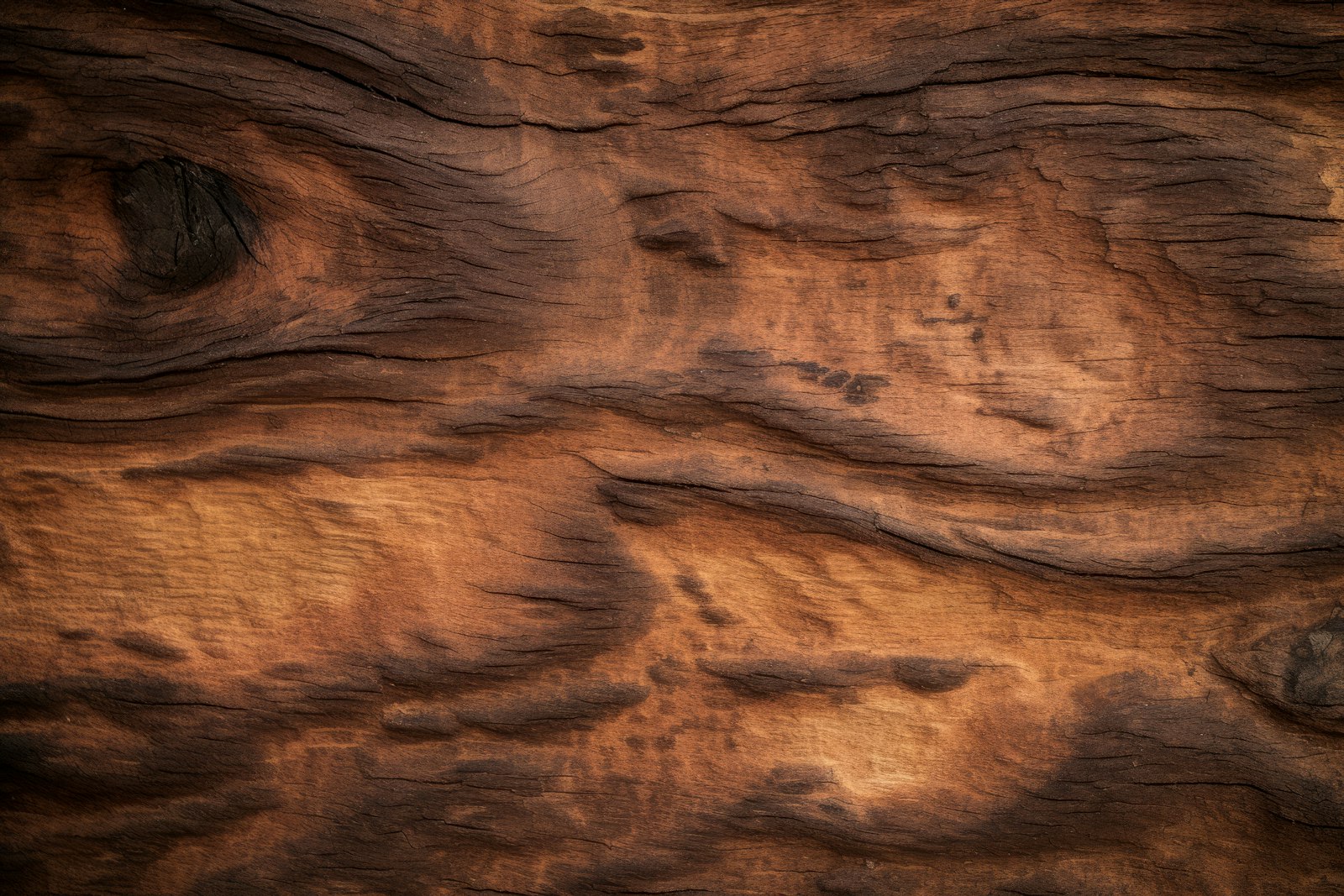
Honest buyer note: Our furniture is made from solid Indonesian teak in vetted workshops in Jepara and Bali, so expect natural grain, colour variation and a small dimensional tolerance between pieces. Grade A kiln-dried teak runs about 8–12% moisture content for export markets; teak grades (A, B, reclaimed) are banded descriptions, not guarantees of identical appearance. All prices, MOQs, lead times, CBM and container counts are indicative ranges (FOB Indonesia) and final pricing is by quote. We work only with legal, documented timber — Indonesia’s SVLK system, with V-Legal / FLEGT documents; FSC-certified teak is available on request at a premium. We do not claim certifications we do not hold. We act as an independent sourcing desk and handle export packing and documentation.
Teak versus mahogany furniture for export comes down to one decisive question: will the piece live outdoors or stay inside? Teak is the denser, oilier, naturally weather-resistant hardwood — its high natural oil and silica content let it survive decades of sun and rain without rotting, which is why it dominates outdoor and marine furniture. Mahogany is a beautiful, stable, fine-grained hardwood prized for its rich reddish-brown colour and how cleanly it carves and finishes, but it is an indoor wood that decays if left exposed to weather. For a wholesale buyer building an export line, the two are not really competitors; they are tools for different jobs. This comparison sets out exactly where each one wins.
We mill both at our Jepara and Bali workshops, so here is a straight, application-driven comparison from an export desk.
Durability and weather resistance
This is the clearest split. Teak’s natural oils make it self-preserving outdoors — left untreated it silvers to grey but stays structurally sound for 30 to 50 years in the elements. Mahogany has good rot resistance for an indoor hardwood but lacks teak’s oil content, so outdoors it absorbs water, greys unevenly, and eventually decays. If your customer wants garden, poolside, terrace or marine furniture, teak is the correct specification. Putting mahogany outdoors is a warranty problem waiting to happen. For how teak behaves over years outside, see outdoor teak weathering and patina.
Appearance and finishing
Mahogany wins on classic indoor elegance. Its straight, fine, even grain takes stain and high-gloss finishes superbly and carves crisply, which is why it is a favourite for formal dining sets, cabinetry and detailed traditional pieces. Teak is more golden-brown with a slightly coarser, oilier grain; it looks superb in a natural oiled or matte finish and suits both modern and rustic design, but its oil can interfere with some film finishes if not prepped correctly. If the design language is ornate and indoor, mahogany often photographs richer; if it is clean, natural and durable, teak leads.
Workability and construction
Both are excellent for joinery, but they handle differently. Mahogany machines and glues easily and holds fine detail. Teak’s silica content dulls tool edges faster and its oils require careful surface preparation before gluing or film-finishing, so experienced workshops adjust their process for it. Properly built, both take strong mortise-and-tenon joinery — the construction quality matters more than the species for joint life. We cover that in teak furniture joinery and construction quality.
Cost, availability and legality
Teak generally commands a higher price than mahogany, reflecting its outdoor durability and oil content. Both are widely worked in Indonesia and both must ship with Indonesia’s SVLK legality documentation for export — species choice does not change the legal-wood requirement. Note that “mahogany” covers several species and that genuine, well-managed Indonesian-grown mahogany is what you want, with proper paperwork. Pricing for either is by quote against volume and spec; see teak furniture wholesale price and the legality picture in sustainable teak and SVLK legal logging.
How to choose for your export line
Decide by end use, then by aesthetic. Outdoor, marine, poolside, high-humidity or anything that needs decades of weather exposure: teak. Indoor formal, carved, stained or high-gloss pieces where colour richness leads and weather is irrelevant: mahogany is a strong, cost-effective choice. Many of our buyers run both — teak for their outdoor program and mahogany for indoor classics — under one consolidated order. The mistake to avoid is specifying mahogany for outdoor use because it is cheaper; the field failures cost far more than the saving.
Stability, weight and feel
Beyond durability and looks, the two woods feel different in use. Teak is dense and oily, giving solid pieces real heft and a smooth, slightly waxy surface; that density is part of why teak furniture feels substantial and ages so well. Mahogany is a touch lighter and has a finer, more even texture that sands to a very smooth surface and shows carved detail crisply. Both are dimensionally stable once properly dried, but teak’s oil content makes it especially resistant to moisture-driven movement, which is another reason it dominates outdoor and marine use. For a buyer, the takeaway is that teak reads as rugged and substantial while mahogany reads as refined and elegant — both qualities, just suited to different products and price stories.
Maintenance over the product’s life
Long-term upkeep also differs. Outdoor teak needs almost nothing — let it grey or seal it once or twice a year — because its oils do the protecting. Mahogany furniture, being indoor, is maintained like any fine indoor hardwood: dusting, the occasional polish or refresh of its finish, and keeping it out of direct prolonged sun and damp, which can fade and damage it over years. Neither is high-maintenance in its proper setting, but the failure mode if misused is instructive: outdoor mahogany rots, while indoor teak simply needs an occasional clean. Matching each wood to the environment it was made for keeps maintenance low and lifespan long, which is the whole point of specifying the right species for the right job.
Frequently asked questions
Is teak better than mahogany? Not better overall — better outdoors. Teak wins on weather resistance; mahogany wins on indoor colour, carving and finish economy. Choose by application.
Can mahogany be used outdoors if sealed? Sealing helps temporarily but does not give mahogany teak’s natural oil protection. For genuine outdoor durability, specify teak.
Why is teak more expensive than mahogany? Teak’s oil content, slow growth and outdoor durability drive its premium. Mahogany is more affordable and excellent for indoor use.
Do both need SVLK for export from Indonesia? Yes. Both species require SVLK legality documentation to be exported legally from Indonesia.
Match the wood to the room and the weather, and the choice between teak and mahogany becomes simple. To spec a mixed indoor-outdoor line or compare quotes on the same pieces in each wood, reach our sourcing desk on WhatsApp at +6281139414563 or email [email protected], and browse our indoor teak furniture and outdoor teak furniture ranges.