Understanding the full cost of importing Bali teak furniture involves more than just the purchase price; it includes shipping, customs duties, and local taxes. For 2027, meticulous customs declaration via the ‘All Indonesia Arrival Card’ for all travellers and strict adherence to cash limits are essential for a smooth process, preventing delays and unexpected charges.
Understanding Bali Teak Furniture Pricing
Purchasing teak furniture directly from Bali offers distinct advantages, primarily in terms of unique designs and often more competitive pricing compared to retail options in Western markets. However, the initial price tag in a showroom is only one component of the total expenditure. Readers must factor in several other elements to arrive at a true ‘landed cost’ for their pieces.
Raw Material and Craftsmanship
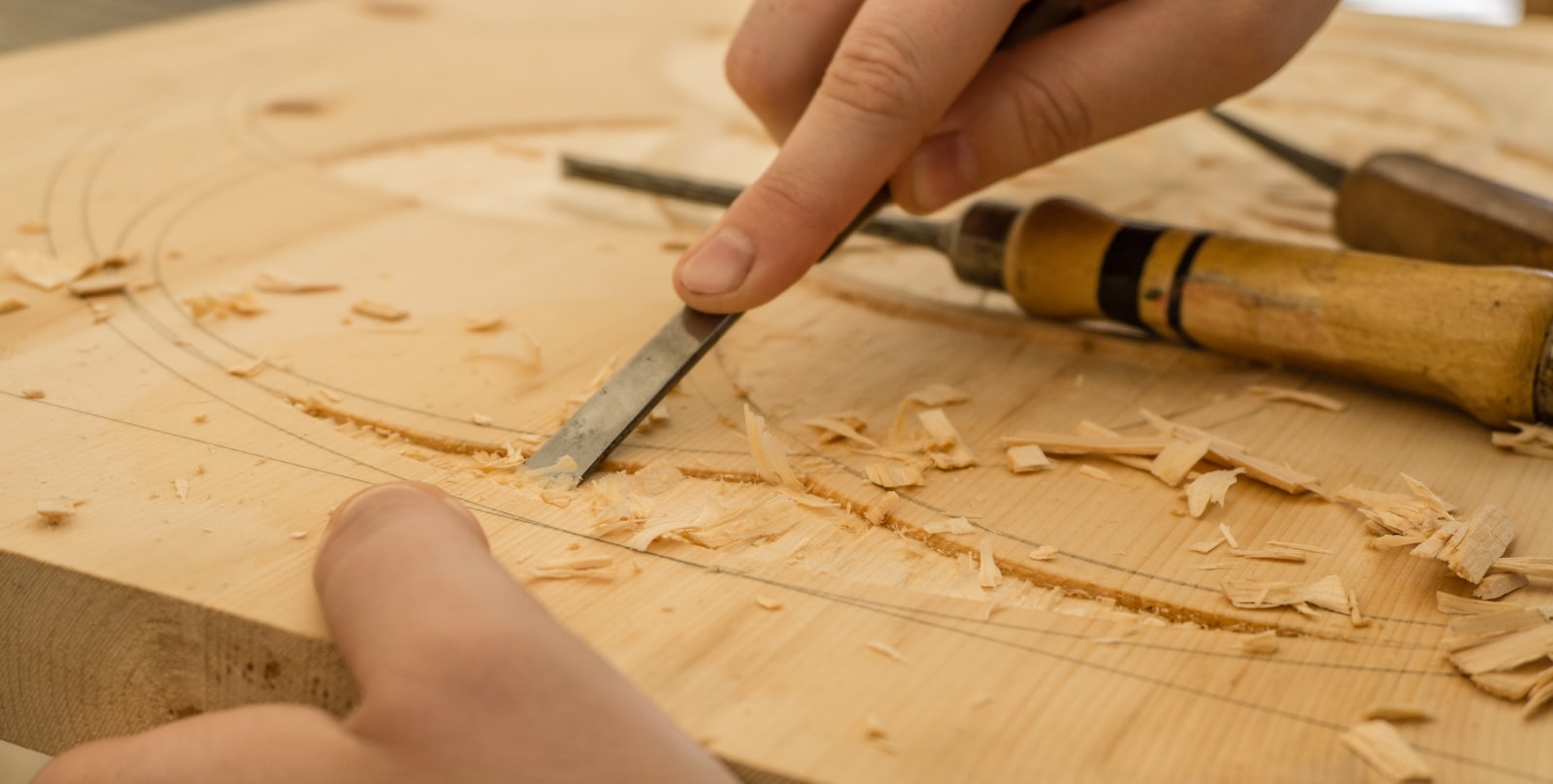
The cost of teak furniture is fundamentally driven by the quality of the teak wood itself. Premium, sustainably sourced, old-growth teak will naturally command a higher price than younger, plantation-grown timber. The complexity of the design and the skill of the artisan also significantly influence the price. Intricately carved pieces or bespoke designs will be more expensive than simpler, mass-produced items.
Factory vs. Retail Prices
Buying directly from a factory or a trusted manufacturer in Bali typically offers better value than purchasing from a retail outlet. Factories often have lower overheads and can offer wholesale pricing, especially for larger orders. Visiting showrooms and workshops allows for direct negotiation, which can further reduce costs. Always confirm whether the quoted price includes packaging suitable for international shipping.
The Shipping Cost Component
Shipping is a substantial part of the overall cost when importing furniture from Bali. This can be broken down into several stages:
- Local Transport: Getting the furniture from the workshop to the port or consolidation warehouse in Bali.
- Sea Freight: The primary method for furniture, charged either by cubic metre (CBM) for Less than Container Load (LCL) or as a flat rate for a Full Container Load (FCL). LCL is suitable for smaller orders, while FCL is more economical for larger shipments.
- Insurance: Essential for protecting against damage or loss during transit.
- Destination Charges: These include port fees, handling fees, and often local transport from the destination port to your final address.
It is advisable to obtain comprehensive quotes from several freight forwarders, ensuring they cover all stages from Bali to your doorstep.
Bali Customs Clearance and Export Formalities (2027 Update)
Exporting furniture from Bali requires adherence to Indonesian regulations. Ensure your supplier provides all necessary documentation, including:
- Invoice and Packing List: Detailing the items and their value.
- Certificate of Origin: Proving the goods were manufactured in Indonesia.
- Fumigation Certificate: If required by your destination country, to prevent pest transmission.
- SVLK Certificate: For legally harvested timber, crucial for many importing countries.
For individuals travelling to Bali in mid-2026 and 2027, every traveller must complete the digital ‘All Indonesia Arrival Card’ online within 48 to 72 hours before flying. This is crucial to avoid customs delays upon arrival. You will receive a QR code by email after submission; show this code to immigration officers. Every traveller, including children, must submit a separate form. You cannot bring more than IDR 100 million (approximately AUD 9,258) in cash per person without declaring it. Amounts above this require mandatory reporting. Goods purchased abroad worth more than USD 500 per person must be declared and may incur import tax. For assistance with these complexities, particularly for commercial shipments, consider engaging an indonesia customs broker.
2027 Note: The digital ‘All Indonesia Arrival Card’ system is fully operational and strictly enforced. Failure to complete this pre-arrival declaration will result in significant delays at immigration. Also, the Bali Tourism Tax of IDR 150,000 applies to all international travellers entering Bali and is separate from customs declarations.
Import Duties and Taxes in Your Home Country
Upon arrival in your home country, your furniture will be subject to import duties and taxes. These vary significantly by country and by the type of product. It is imperative to research these charges beforehand to avoid unexpected costs.
Concrete Numbers & Duty-Free Limits (Per Person for Travellers)
When you, as a traveller, arrive in Bali, be aware of these limits to prevent issues:
| Category | Duty-Free Limit (Per Person) | Notes |
|---|---|---|
| Cash Limit | Up to IDR 100,000,000 (~AUD 9,258) | Amounts above this require mandatory reporting. |
| Alcohol | Up to 1 litre | Excess must be declared and taxed. |
| Tobacco | Up to 200 cigarettes, 50 cigars, or 100 grams of tobacco | Excess is taxable. |
| Imported Goods Value | Goods purchased abroad worth more than USD 500 | Must be declared and may incur import tax. |
| Personal Effects Value | Clothes, toiletries, and accessories up to AUD 380 | Luxury items or jewellery over AUD 770 require declaration. |
Mandatory Pre-Arrival Rules for Groups (2027)
- Digital Form Timing: Complete the ‘All Indonesia Arrival Card’ within 48 to 72 hours before arrival (online up to 3 days prior).
- QR Code Requirement: You will receive a QR code by email after submission; show this code to immigration officers upon arrival.
- Universal Declaration: Every traveller in the group, including return residents and children, must submit a separate form.
- IMEI Registration: You must declare and potentially pay import tax on foreign-bought electronics (phones/laptops) valued over $500 if they require IMEI registration.
Strictly Prohibited or Restricted Items (Do Not Bring)
- Fresh Food & Plants: Fresh fruits, vegetables, seeds, soil, meat, dairy, and raw animal products are prohibited without specific quarantine permits and phytosanitary certificates.
- Protected Species: Any products from CITES-listed protected species are strictly prohibited.
- Drugs and Firearms: Illicit drugs and firearms are absolutely prohibited, with severe penalties.
Total Cost Calculation
To accurately budget for your Bali teak furniture, sum these components:
- Furniture Purchase Price (from factory/supplier)
- Packaging Costs (if not included)
- Local Transport in Bali
- Sea Freight (LCL/FCL)
- Marine Insurance
- Destination Port Charges
- Customs Duties and Taxes in Your Home Country
- Local Delivery from Port to Your Address
Obtaining detailed, itemised quotes for each of these stages is crucial for a realistic budget.
FAQ
How can I ensure my Bali teak furniture is legally sourced?
Always request an SVLK (Sistem Verifikasi Legalitas Kayu) certificate from your supplier. This verifies that the timber has been legally harvested and processed, which is a requirement for importing timber products into many countries.
What is the best way to pay for furniture purchased in Bali?
For larger purchases, a bank transfer is generally the safest method. Many suppliers will require an upfront deposit, with the balance payable upon completion or before shipping. Always obtain a clear invoice and receipt for all transactions.
Can I bring small teak items back in my luggage without declaring them?
Small personal items of low value (under USD 500 total for imported goods per person) generally do not need declaration. However, if you have multiple small items that collectively exceed this threshold, or if they are luxury items over AUD 770, they must be declared. Always check your home country’s specific import allowances for personal effects.