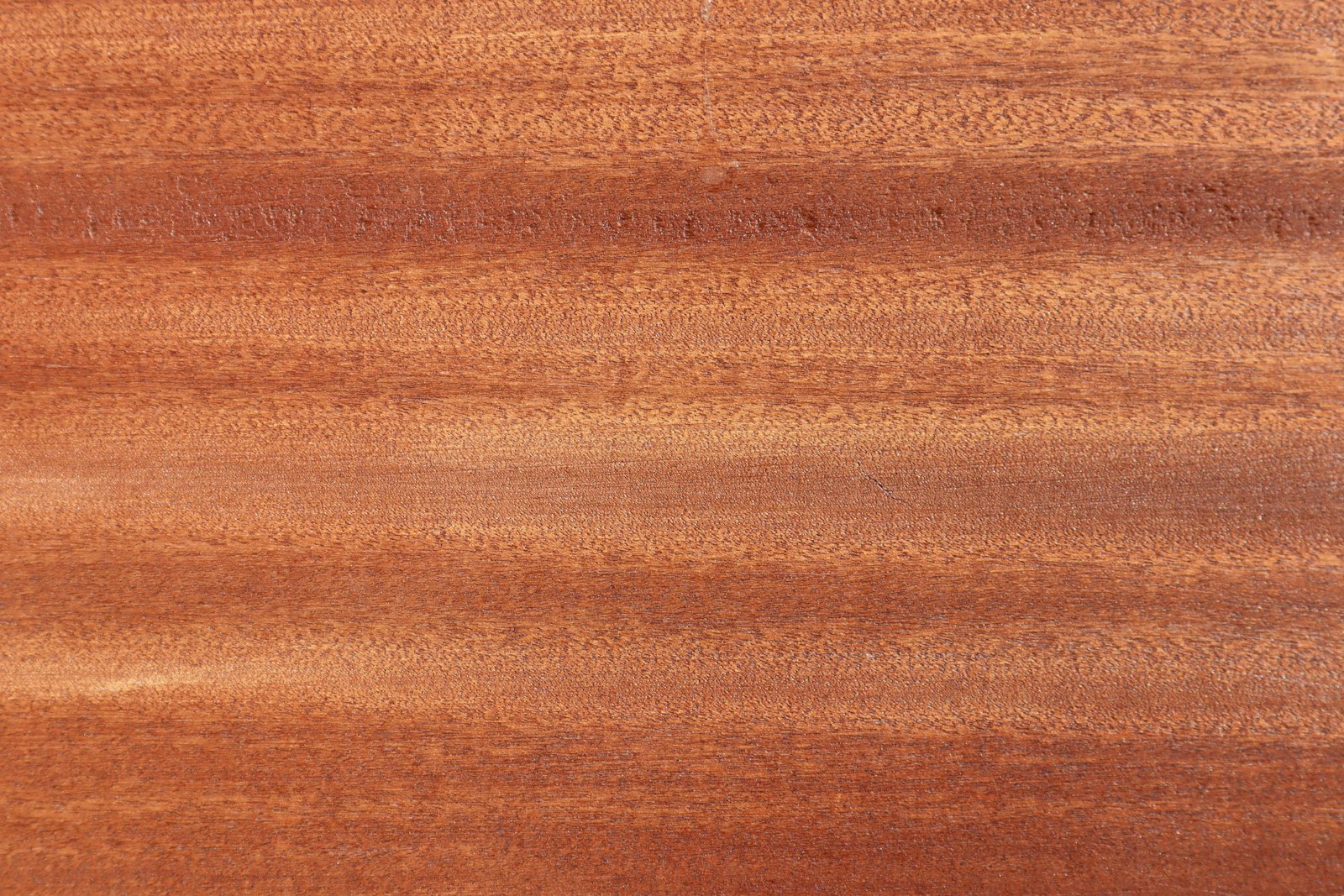
Honest buyer note: Our furniture is made from solid Indonesian teak in vetted workshops in Jepara and Bali, so expect natural grain, colour variation and a small dimensional tolerance between pieces. Grade A kiln-dried teak runs about 8–12% moisture content for export markets; teak grades (A, B, reclaimed) are banded descriptions, not guarantees of identical appearance. All prices, MOQs, lead times, CBM and container counts are indicative ranges (FOB Indonesia) and final pricing is by quote. We work only with legal, documented timber — Indonesia’s SVLK system, with V-Legal / FLEGT documents; FSC-certified teak is available on request at a premium. We do not claim certifications we do not hold. We act as an independent sourcing desk and handle export packing and documentation.
Outdoor teak furniture weathering and patina is the natural process where new golden-brown teak gradually silvers to an even soft grey when exposed to sun and rain — a surface change, not decay. Ultraviolet light breaks down lignin at the very surface of the wood while rain washes away the loosened fibres, leaving a fine silver-grey patina within roughly six to twelve months of outdoor exposure. Crucially, this colour shift is cosmetic: the teak underneath stays structurally sound for decades because its natural oils continue to protect it. Many designers and hospitality brands actively want the grey-patina look. Understanding weathering lets you set buyer expectations correctly and decide whether to let teak grey or maintain its colour. This guide explains the science and the choices.
We field this question on almost every outdoor order, so here is the full picture from an export desk.
What actually happens as teak weathers
When new teak goes outside, UV radiation degrades the lignin — the binder between wood fibres — in the topmost layer, and rainfall rinses those degraded fibres away. The result is a thin, weathered grey surface over completely sound wood. Because teak is rich in natural oils and silica, water does not penetrate deeply and rot does not set in, so the greying stops at the surface. This is fundamentally different from softwoods or low-oil hardwoods, where weathering leads to checking, rot and structural loss. With teak, the silver patina is a finish, not a failure.
The timeline of the colour change
The shift is gradual and depends on exposure. In strong tropical or poolside sun, teak can begin to lighten within weeks and reach a fairly uniform silver-grey in six to twelve months. In milder or partly shaded settings it takes longer and can look patchy during the transition as some surfaces catch more sun than others. The uneven middle stage is normal and resolves into an even grey as exposure equalises. Telling a hotel buyer this in advance prevents a panicked “the furniture is fading” call three months after delivery.
Embrace the patina or maintain the gold
There are two valid routes, and the buyer should choose deliberately. Let it grey: do nothing but clean occasionally; you get the classic weathered-teak coastal look with essentially no maintenance, ideal for resorts and gardens going for that aesthetic. Keep it golden: apply a teak sealer or teak-specific protectant once or twice a year to slow UV greying and hold the warm colour. Note that ordinary “teak oil” is often more about appearance than protection and needs frequent reapplication. We compare these finishing routes in teak oil versus natural teak finish.
Cleaning and restoring weathered teak
Grey teak that the owner later wants golden again can be restored — the colour change is only surface-deep. A gentle wash with mild soap and water handles routine cleaning. For a fuller refresh, a dedicated teak cleaner followed by light sanding removes the grey layer and reveals fresh golden wood beneath, which can then be sealed if desired. This recoverability is a strong selling point: unlike a degraded softwood, weathered teak is never ruined — it is simply wearing a patina that can be kept or removed. Avoid harsh pressure washing, which can erode the soft early-wood and roughen the surface.
Setting buyer expectations correctly
The most common outdoor-teak complaint is not a defect at all — it is a buyer who was not told the furniture would grey. Build the weathering story into your product descriptions and sales conversation: explain that greying is natural, expected, protective and reversible. Pair that with the right grade and proper drying so the wood is genuinely sound underneath, and the patina becomes a feature you sell rather than a surprise you defend. Grade underpins how evenly teak greys — see teak wood grades explained.
What weathering does not change
It is worth being clear about what stays constant as teak greys, because this is what reassures a cautious buyer. The wood’s structural integrity does not change — a sound grade A piece is just as strong silver as it was golden. Its natural oils continue to repel water and resist rot and insects beneath the weathered surface. Joints built with proper mortise-and-tenon construction stay tight regardless of colour. The only thing that changes is the top fraction of a millimetre of surface colour and texture. This is the crucial distinction between teak and lesser outdoor woods: in teak, weathering is purely cosmetic and reversible, while in low-oil woods weathering is the visible start of actual decay. Selling that distinction confidently is how you turn a greying-furniture worry into a reason to choose teak.
Climate and exposure change the timeline
Where the furniture lives changes how it weathers. Intense, direct tropical or high-altitude sun greys teak fastest and most evenly. Coastal settings add salt air, which teak handles well but which speeds the silvering. Partial shade, covered terraces and northern temperate climates grey it more slowly and can leave a longer patchy phase while sun-facing surfaces lighten ahead of shaded ones. Rain matters too, since rainfall rinses away the UV-degraded fibres that create the grey. None of this affects durability — it only affects pace and evenness of the colour change. Telling a buyer roughly what to expect for their specific climate, and that any patchiness during the transition will even out, prevents the early “is something wrong?” worry that is otherwise the most common outdoor-teak question.
Frequently asked questions
Is grey teak damaged? No. The grey patina is a surface change from UV and rain; the wood underneath stays sound for decades thanks to teak’s natural oils.
Can I get the golden colour back? Yes. A teak cleaner and light sanding remove the grey surface and restore the golden wood, which can then be sealed to hold the colour.
How long until teak turns grey? Roughly six to twelve months in strong sun, longer in shade. The transition can look patchy before it evens out.
Do I have to oil outdoor teak? No. You can leave it to grey with almost no maintenance, or seal it once or twice a year if you want to keep the gold. Both are valid.
Weathering is teak’s signature, not its weakness — sold correctly, the silver patina is exactly why buyers choose teak for the outdoors. To plan an outdoor program around either the grey or golden look, talk to our sourcing desk on WhatsApp at +6281139414563 or email [email protected], and explore our outdoor teak furniture range.