Honest buyer note: Our furniture is made from solid Indonesian teak in vetted workshops in Jepara and Bali, so expect natural grain, colour variation and a small dimensional tolerance between pieces. Grade A kiln-dried teak runs about 8–12% moisture content for export markets; teak grades (A, B, reclaimed) are banded descriptions, not guarantees of identical appearance. All prices, MOQs, lead times, CBM and container counts are indicative ranges (FOB Indonesia) and final pricing is by quote. We work only with legal, documented timber — Indonesia’s SVLK system, with V-Legal / FLEGT documents; FSC-certified teak is available on request at a premium. We do not claim certifications we do not hold. We act as an independent sourcing desk and handle export packing and documentation.
Teak oil versus a natural teak finish is a finishing decision that changes the look, the maintenance burden and the long-term cost of your furniture. A natural teak finish means the wood is left essentially unsealed — sanded clean and shipped raw or lightly cured — so it can weather and silver naturally outdoors or keep a matte look indoors. Teak oil is a penetrating product applied to enrich and temporarily restore the golden colour, but it is largely cosmetic, needs frequent reapplication, and can actually encourage mildew if misused outdoors. Understanding what each finish does — and what it does not — lets a wholesale buyer specify correctly instead of over-promising. This guide lays out the real trade-offs.
We finish to whatever spec a buyer chooses, but here is the honest engineering behind each option from an export desk.
What a natural finish really is
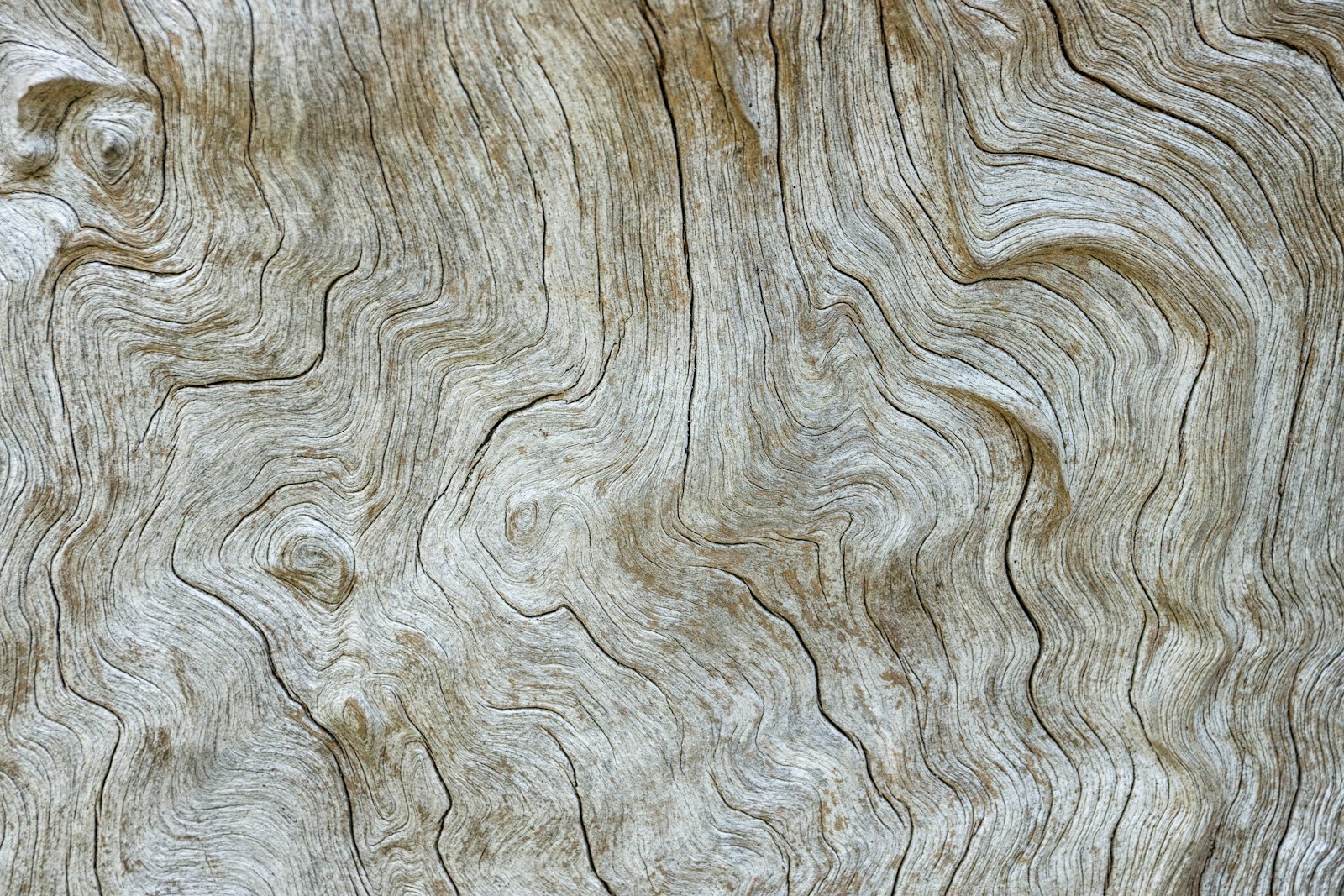
A natural finish leans on teak’s own chemistry. Because teak is loaded with natural oils and silica, it needs no sealant to survive outdoors — left raw it silvers to grey and stays sound for decades. For indoor pieces, a natural matte finish (sometimes a light wax or very thin sealer) keeps the warm tone with a soft, low-sheen look. The appeal is low maintenance and authenticity: nothing to reapply, nothing to peel. The trade-off is that outdoors the colour will grey, which is only a problem if the buyer wasn’t told to expect it. See outdoor teak weathering and patina for that process.
What teak oil actually does
Teak oil is a penetrating finish — typically linseed or tung oil based — that soaks into the surface and temporarily deepens the golden colour and grain. Its main job is appearance, not protection: it does little to stop UV greying and must be reapplied every few months to hold its effect. Used outdoors it has a real downside — the oil can feed mildew and mould growth in humid, shaded conditions, leaving black spotting. Indoors, on low-traffic decorative pieces, oil can look beautiful with regular upkeep. The misconception to correct with buyers is that teak oil “protects” teak; mostly it just colours it.
Sealers: the third option worth knowing
Between raw and oiled sits the teak sealer — a product specifically formulated to slow UV greying and hold the golden colour with far less frequent reapplication than oil, and without oil’s mildew risk. For buyers who genuinely want to keep teak golden outdoors, a quality teak sealer applied once or twice a year is usually the better recommendation than teak oil. It is worth naming this explicitly on a spec sheet because “oil” and “sealer” are often confused, and they behave very differently in the field.
Indoor versus outdoor finishing
The right finish depends heavily on environment. Outdoor furniture: either leave it natural to grey (lowest maintenance) or use a teak sealer to keep the gold — avoid oil as a protectant. Indoor furniture: a natural matte, light wax, or for high-wear surfaces a proper film finish, since indoor teak is not fighting UV and rain. Teak’s oils can interfere with some film finishes, so the workshop must degrease and prep the surface correctly — another reason to confirm finishing experience when vetting a supplier. See teak furniture finishing options for the full menu.
How to specify finish on your order
Put the finish in writing with the outcome you want, not just a product name. Good spec language reads like: “outdoor teak, natural finish, left to weather to grey” or “outdoor teak, teak sealer applied, golden colour maintained, buyer to reseal annually” or “indoor teak, natural matte finish.” Stating who maintains it and how sets correct expectations down the chain to the end customer and prevents the classic complaints about greying or peeling. When in doubt, default to natural for outdoor durability and discuss sealer only if colour retention is a firm requirement.
The mildew problem with teak oil outdoors
The most misunderstood point deserves its own emphasis. Teak oil is food for mildew. In warm, humid, shaded outdoor conditions — exactly the climate of much of the tropics and many poolside and garden settings — the organic oil sitting on the surface gives mould and mildew something to grow on, producing black spotting that is unsightly and a chore to remove. This is the opposite of protection. It is also why a piece that was oiled to look good on day one can look worse in three months than an identical piece left natural. If a buyer’s brief is “keep it golden outdoors,” the correct recommendation is a teak sealer formulated to resist this, not teak oil. Naming this explicitly on the spec sheet saves a lot of disappointed follow-up.
Cost and labour implications of each finish
Finish choice has a cost tail that runs long after delivery. A natural finish is cheapest to apply and, outdoors, cheapest to own — periodic cleaning and nothing more. A teak sealer adds a modest application cost and a once-or-twice-yearly reseal labour the owner must budget for. Teak oil is deceptively expensive over time because of how often it must be reapplied to hold its look, plus the mildew cleanup it can invite. Indoor film finishes cost more to apply (proper degreasing and prep) but are low-maintenance once cured. For a wholesale buyer specifying for a hotel or retail customer, spelling out the ongoing maintenance model attached to each finish lets the end customer budget honestly and choose the finish that fits their willingness to maintain it.
Frequently asked questions
Does teak need to be oiled? No. Teak’s natural oils protect it without any finish. Teak oil is cosmetic and optional; many buyers leave outdoor teak natural to grey.
Is teak oil bad for outdoor teak? It can be. Outdoors, teak oil offers little UV protection and can encourage mildew in humid shade. A teak sealer is the better choice for keeping colour outside.
What is the lowest-maintenance finish? A natural finish left to weather. Clean occasionally and the teak silvers to grey on its own with no reapplication.
How do I keep teak golden outdoors? Use a quality teak sealer once or twice a year, not teak oil. It slows greying without oil’s mildew risk.
Specify the finish for the outcome — natural for low-maintenance weathering, sealer for retained gold, and oil only where you accept frequent upkeep. To set the right finish on your order, contact our sourcing desk on WhatsApp at +6281139414563 or email [email protected], and review the full menu on our custom teak furniture and OEM page.