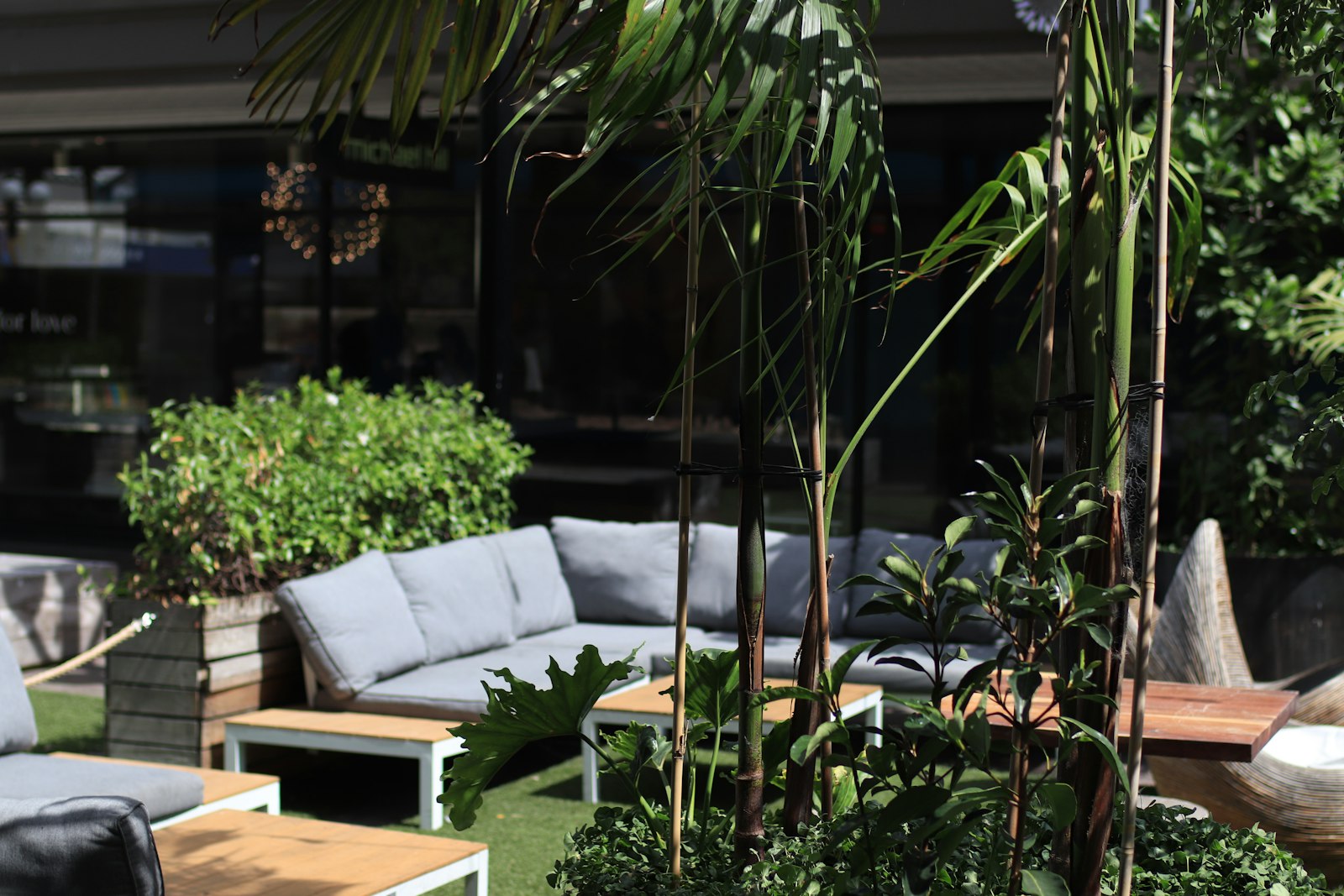
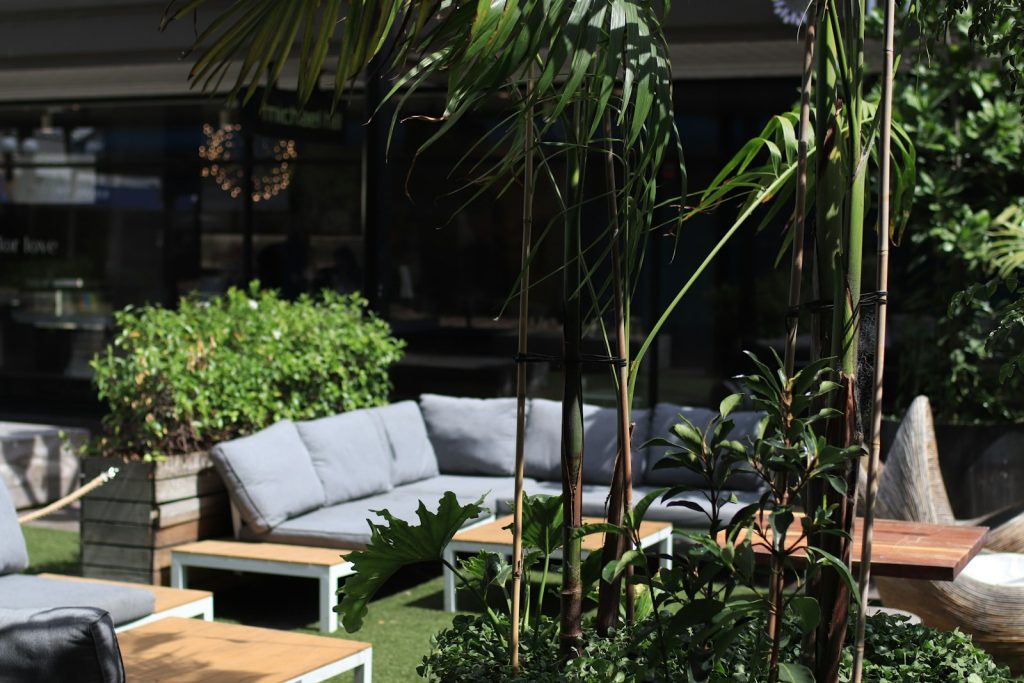
Honest buyer note: Our furniture is made from solid Indonesian teak in vetted workshops in Jepara and Bali, so expect natural grain, colour variation and a small dimensional tolerance between pieces. Grade A kiln-dried teak runs about 8–12% moisture content for export markets; teak grades (A, B, reclaimed) are banded descriptions, not guarantees of identical appearance. All prices, MOQs, lead times, CBM and container counts are indicative ranges (FOB Indonesia) and final pricing is by quote. We work only with legal, documented timber — Indonesia’s SVLK system, with V-Legal / FLEGT documents; FSC-certified teak is available on request at a premium. We do not claim certifications we do not hold. We act as an independent sourcing desk and handle export packing and documentation.
Teak furniture for hotels, resorts and restaurants is a contract-grade purchase, which means it must survive heavy daily use, sun, salt air and frequent cleaning while matching across hundreds of pieces — a very different brief from a single home order. Hospitality teak has to be specified for durability and consistency: mature grade A heartwood for outdoor areas, proper kiln drying to prevent cracking, strong mortise-and-tenon joinery to handle constant use, and tight quality control so that two hundred chairs actually match. Get the specification right and teak gives a resort decades of low-maintenance service; get it wrong and you are replacing failed furniture mid-season. This guide covers how to specify and source teak for a hospitality project.
We supply hospitality programs regularly, so here is what a procurement team should know from an export desk.
Why teak suits hospitality
Teak earns its place in hotels and resorts because of its natural durability and its look. Outdoors — by pools, on terraces, in beach clubs and garden restaurants — its high natural oil content lets it endure sun, rain and salt air for decades with minimal maintenance, silvering to an elegant grey or staying golden if sealed. Indoors it brings warmth to rooms, lobbies and dining spaces. For a property that wants furniture to last and to age gracefully rather than look tired in two seasons, teak is a sound long-term investment, especially when total cost of ownership (including maintenance and replacement) is considered rather than just upfront price.
Specifying for contract durability
Contract use is harder on furniture than domestic use, so specify up. Use grade A mature heartwood for outdoor and high-traffic pieces — see teak wood grades explained. Insist on proper kiln drying to 8–12% MC so pieces do not crack under poolside sun or in air-conditioned interiors. Require mortise-and-tenon joinery and stainless-steel hardware (marine grade near the coast) so chairs and tables survive constant use without loosening or rusting — see teak furniture joinery and construction quality. These are the specifications that separate furniture that lasts a decade from furniture that fails in a year.
Consistency across large orders
The defining challenge of a hospitality order is matching. When you need 300 identical chairs and 80 matching tables, colour and grain consistency become critical, which is why plantation teak — uniform and available in volume — usually suits contract projects better than character-driven reclaimed stock. Tight quality control during production keeps colour, dimensions and finish consistent across the batch. Discuss with your supplier how they ensure consistency and plan for a small percentage of attic stock (spare matching pieces) so future replacements blend in. The plantation-versus-reclaimed trade-off for matching is in plantation versus reclaimed teak.
Finishes and maintenance for properties
Decide the maintenance model before you order. Outdoors, a property can let teak weather naturally to grey (lowest maintenance — just periodic cleaning) or apply a teak sealer once or twice a year to keep it golden; ordinary teak oil is generally not recommended outdoors because of mildew risk and constant reapplication. Indoors, a natural matte or appropriate film finish suits room and dining furniture. Choosing the maintenance approach upfront lets you budget the recurring labour realistically. The finish options are compared in teak oil versus natural teak finish.
Sourcing, lead time and logistics for projects
Hospitality projects run on deadlines, so plan the chain. Confirm SVLK legal-wood documentation for the order, build in realistic production lead time (large matched orders take longer, especially before peak seasons), and add ocean transit and installation time on top — see teak furniture production lead time. Order to full-container-load where volume allows for the best freight economics, and ensure professional packing and loading to protect the consignment in transit. A consolidated order through one export desk, with a pre-shipment inspection, keeps a multi-area property project on schedule and on spec.
Total cost of ownership for properties
Hospitality procurement should evaluate furniture on total cost of ownership, not just the purchase price. Teak’s premium upfront cost is offset by its long service life and low maintenance, so the cost per year of use is low and replacement is infrequent — a real advantage for a property that does not want to re-furnish its pool deck every few seasons. Cheaper outdoor woods can win on the initial invoice but add recurring maintenance labour and earlier replacement, which in a high-use commercial setting often overtakes teak’s premium within a handful of years. Factoring maintenance, downtime and replacement into the decision usually strengthens the case for teak in the hardest-working outdoor areas, while leaving room for value materials in lower-stress or indoor spaces. Presenting the multi-year number, not just the unit price, helps a property make the right long-term call.
Standardising specs across a property
Large properties benefit from standardising specifications across areas so procurement, maintenance and future reorders stay simple. Agreeing a house standard — for example, grade A heartwood and stainless hardware for all outdoor furniture, a defined moisture-content target, a chosen outdoor finish and maintenance model, and approved designs per area — means every reorder matches and the maintenance team works to one routine. It also makes pre-shipment inspection cleaner because the inspector checks against a single documented standard. For multi-property groups, a consistent teak specification across sites simplifies purchasing and lets the group leverage volume. Building that standard once, with a supplier who can hold to it across repeat orders, turns furniture procurement from a recurring negotiation into a repeatable process.
Frequently asked questions
Is teak good for hotel outdoor furniture? Yes. Teak’s natural oils give it decades of outdoor durability with minimal maintenance, making it a strong long-term investment for pools, terraces and beach clubs.
How do I get 300 matching chairs? Specify uniform plantation teak and tight production quality control, and order attic stock for future replacements. Reclaimed teak is harder to match at scale.
What finish should a resort use outdoors? Either let teak weather to grey for the lowest maintenance, or apply a teak sealer once or twice a year to keep it golden. Avoid relying on teak oil outdoors.
Can you handle a full property order? Yes — multi-area orders can be consolidated through one export desk with inspection, FCL loading and scheduled delivery to keep the project on track.
Specify for contract durability, plan for consistency and maintenance, and run the logistics to your deadline — and teak will serve a property beautifully for decades. To scope a hospitality project, contact our sourcing desk on WhatsApp at +6281139414563 or email [email protected], and explore the build path on our custom teak furniture and OEM page.